Service accounts, API keys, secrets, certificates, and workloads outnumber your people many times over, and most carry standing credentials nobody reviewed and no clear owner. Axiad Mesh finds them, gives each one an owner, ranks them alongside your people, and routes the fix into the tools your teams already run.


Service accounts, API keys, certificates, service principals, managed identities, and CI/CD runners outnumber your people many times over. Most carry standing credentials nobody audited, and many have no owner at all. A program that governs only people protects a fraction of the environment.
People live in your IGA. Service accounts sit in PAM, keys in secrets managers, and workloads in the cloud console. Each is governed by a different team on a different clock, so the risk that spans them is never owned end to end. Attackers move through exactly those seams.
When someone leaves, their accounts get deprovisioned. The service accounts, keys, and workloads they stood up keep running, with real access and nobody accountable for them.


One model for human, machine, and AI-agent identities — organized around risk.

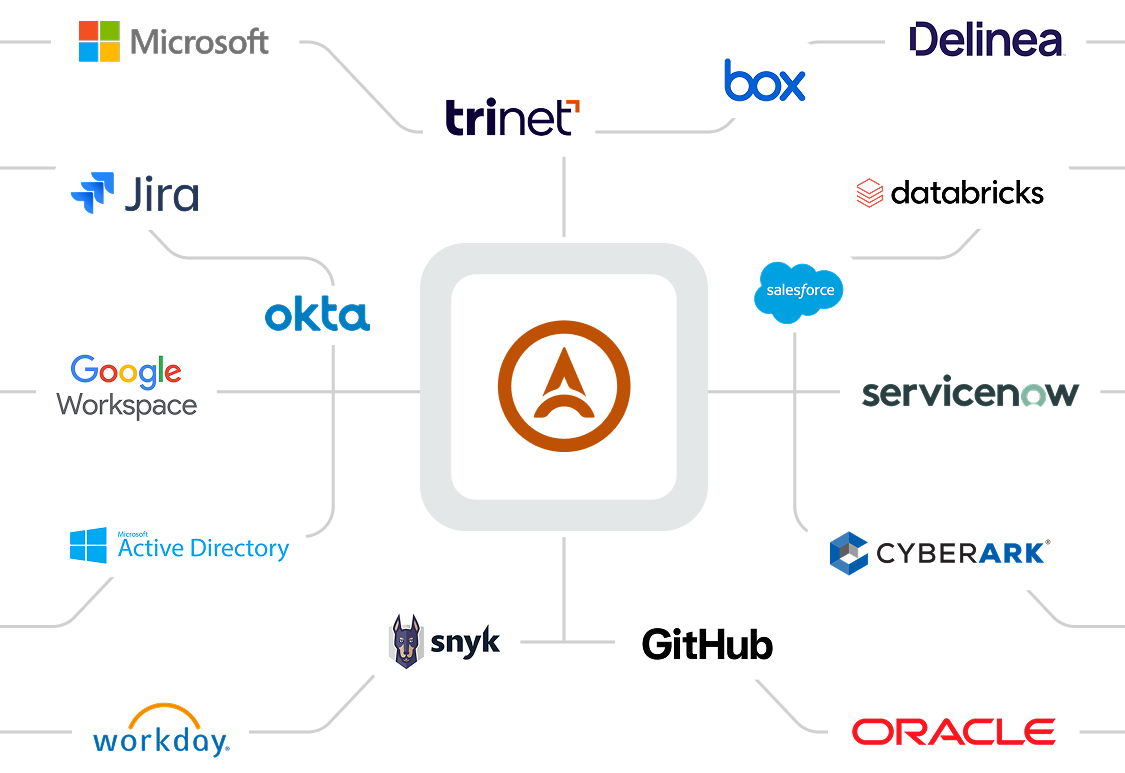
Mesh finds service accounts, API keys, secrets, certificates, service principals, and workloads across your identity providers, cloud platforms, secrets managers, and PAM. It connects the accounts and credentials that belong to each, even when 18 systems spell the same identity 18 different ways. No rip-and-replace.

A risky service account and a risky privileged user belong on the same list. Mesh ranks non-human identities alongside your people by what each one can reach and what breaks if it's compromised, so the top of the list is the top of the list.
Findings don't reduce risk; owned fixes do. Mesh assigns an owner to each non-human identity, including the ones that never had one, routes the fix into ServiceNow, IGA, and PAM, and tracks it to closed against your compliance and program deadlines.

For certificates, Mesh can carry the fix through: renewal and replacement run through Axiad's own certificate lifecycle management, so the finding and the fix come from the same place.


When a person leaves, the service accounts, API keys, and workloads they created keep running with real access and no owner. Mesh flags orphaned non-human identities when their human owner is gone, ranks each by what it can reach, and routes it for reassignment or shutdown before an attacker finds it.

Find the service accounts and keys with standing access nobody reviewed, rank them by what they can reach, and send each to an owner with a closure date your auditors can see.

Every merger means inheriting another organization's identities: human, non-human, and agentic, most of them undocumented and unaudited. Mesh gives due-diligence and integration teams a risk-ranked picture of what they're taking on, so hidden exposure surfaces at the negotiating table instead of after the deal closes.

Mesh sits on top of the stack you already have and reads from it — identity providers, HR systems, cloud platforms, secrets managers, PAM, and ticketing. It correlates one identity across all of them. No rip-and-replace, and nothing new to install on employee laptops.



FedRAMP Moderate Authorized (Conductor). Frost and Sullivan Customer Value Leader. Gartner Market Guide Recognized. ISO/IEC 27001. SOC 2 Type II.
Copyright Axiad 2026. All rights reserved.